QMI helps transit agencies, fleet operators, and their partners plan, install, and maintain fleet technology so that it works on the vehicle and does not create avoidable problems later.
Most projects don’t go sideways because of the equipment itself.
They break down in the real world — when systems don’t fit the vehicle, installs vary from one crew or location to the next, and no one is clearly responsible for how everything comes together.
That’s when vehicles come out of service, maintenance teams end up dealing with install-related issues, and responsibility gets passed between vendors.
QMI brings those pieces together, so systems are thought through before they’re installed, executed consistently across vehicles and locations, and hold up once they’re back in service.
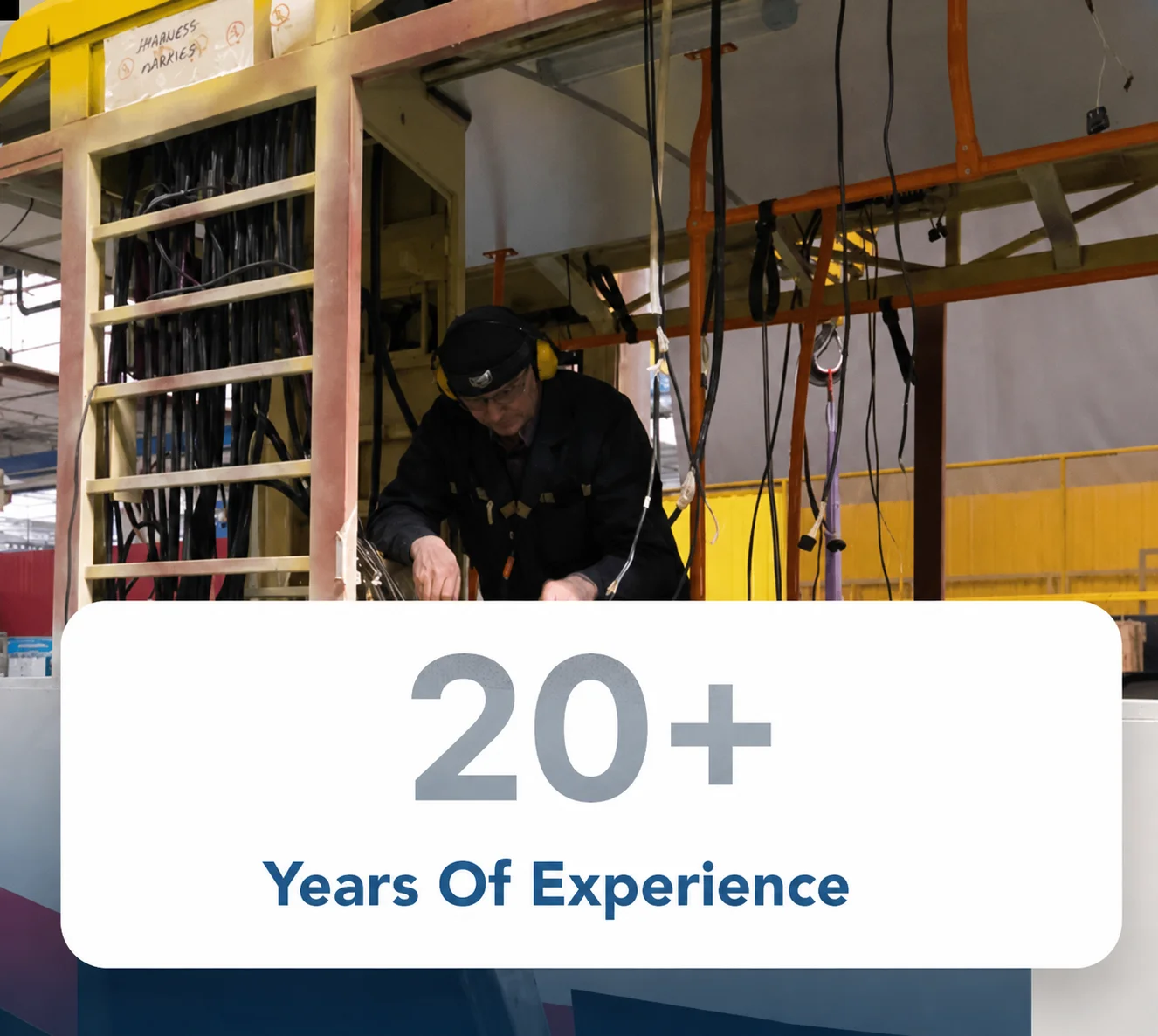
QMI has spent more than 20 years installing communication and onboard technology systems across transit and school transportation fleets nationwide. That experience informs how projects are planned, supported, and kept working over time.
We understand the realities that shape these projects: limited vehicle availability, tight install windows, multiple vendors, service access, wiring, fit, and the pressure to get vehicles back into operation without creating more work for maintenance teams.
Changing the Fleet Technology industry
More Than Installation
QMI uses dedicated full-time teams with long tenure, along with in-house fabrication and field-tested processes, to keep installs consistent and reduce the service issues that often show up later.
Fleet audits and early planning that help teams work through mounting, wiring, compatibility, and service access before those issues turn into delays, rework, or maintenance problems.
Deploy
Nationwide installs by dedicated teams, supported by in-house engineering, fabrication, and deployment kits that help keep projects moving and reduce field adjustments.
Support
Ongoing support through preventative maintenance, fleet audits, upgrades, and standardization work that helps systems stay reliable over time instead of becoming one more recurring issue.
best in the industry
What Makes Us Different
When fleet technology is not planned or installed well, the problems usually do not show up right away. They show up later in service through downtime, extra troubleshooting, inconsistent installs, and more strain on maintenance teams.
QMI is built to reduce those problems by bringing planning, execution, and long-term support closer together.
Single-Point Accountability
One team on-point for how systems are planned, installed, and maintained, so responsibility does not get lost between vendors.
Consistent Field Teams
Dedicated teams with long tenure help keep execution consistent across vehicles, locations, and projects, reducing variability and long-term service issues.
In-House Engineering and Fabrication
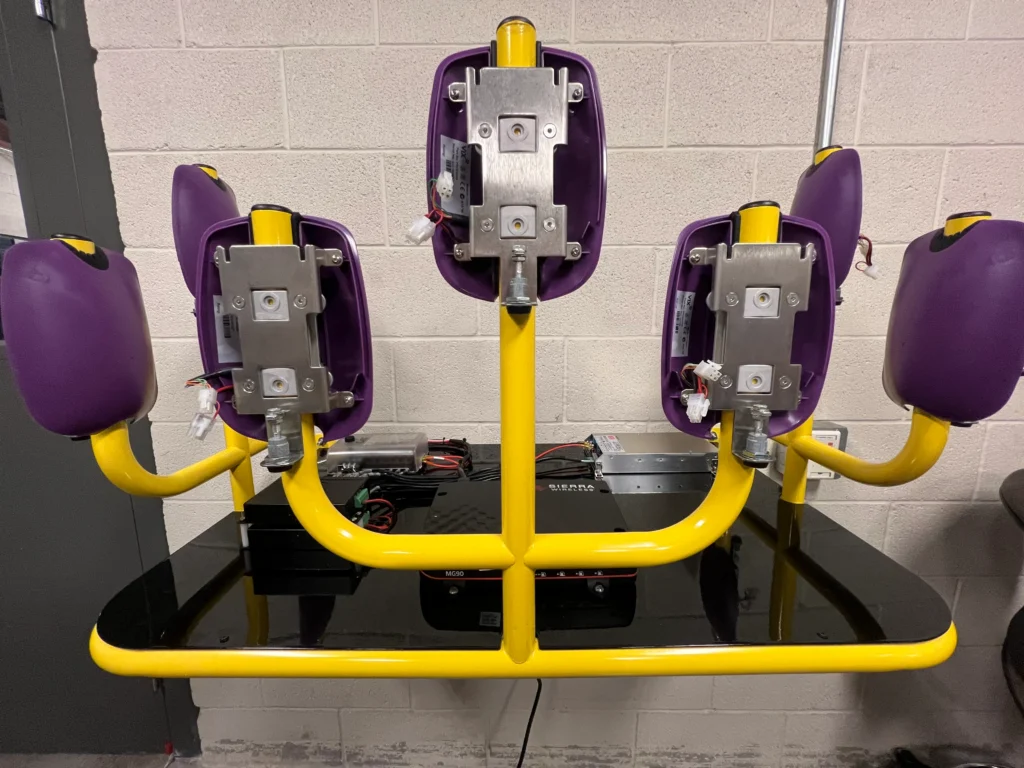
Custom fabrication, prototyping, and kit-building help solve fit and integration problems earlier,
reduce install time, and protect project schedules.
see us in action
Proven Where It Counts
If you are upgrading or adding onboard technology across your fleet, the biggest challenge is rarely just the equipment. It is making sure everything fits, gets installed correctly, and holds up once vehicles are back in service.