
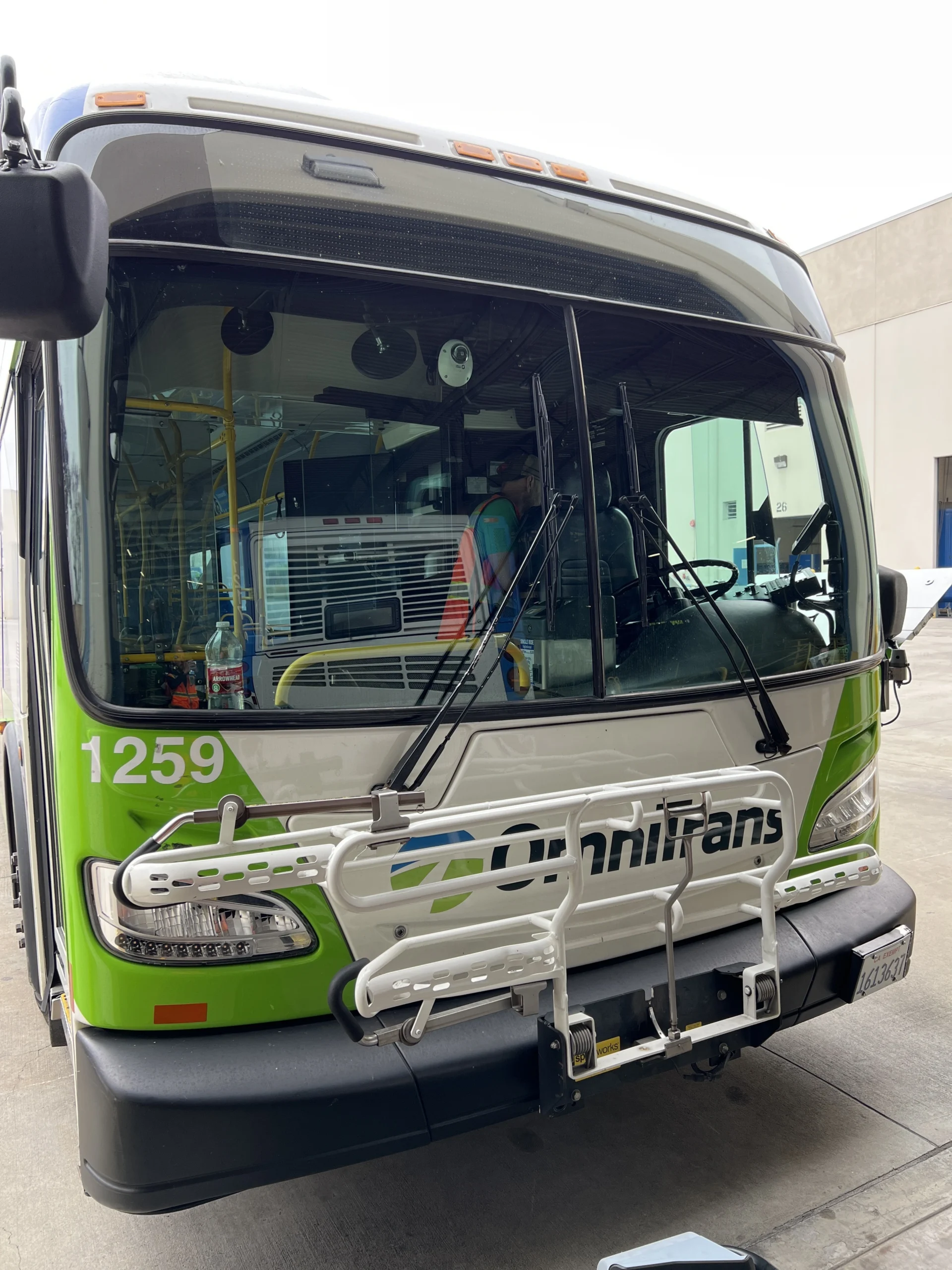
Public transit agencies run their fleets under constraints most install providers don’t see until they’re in the bay. Vehicles come off the road in narrow windows. Maintenance teams have routes to cover the next morning. New systems get layered onto legacy infrastructure that was never specced with the next generation in mind. When something doesn’t fit, or doesn’t last, the agency absorbs the consequences — downtime, callbacks, the slow drift of a fleet that no longer feels standardized.
QMI has spent more than 20 years installing onboard technology across transit fleets in the U.S. and Canada, working with agencies of every size and structure. The experience shows up in more than the install itself: the planning ahead of it, the bracketwork built for the bus you actually run, and the service decisions that determine whether the system performs once it’s back on the road.
QMI installs the full range of communication, safety, and operations technology found on modern transit vehicles — components from every leading name in mobile electronics, on whatever platform your agency has standardized on.
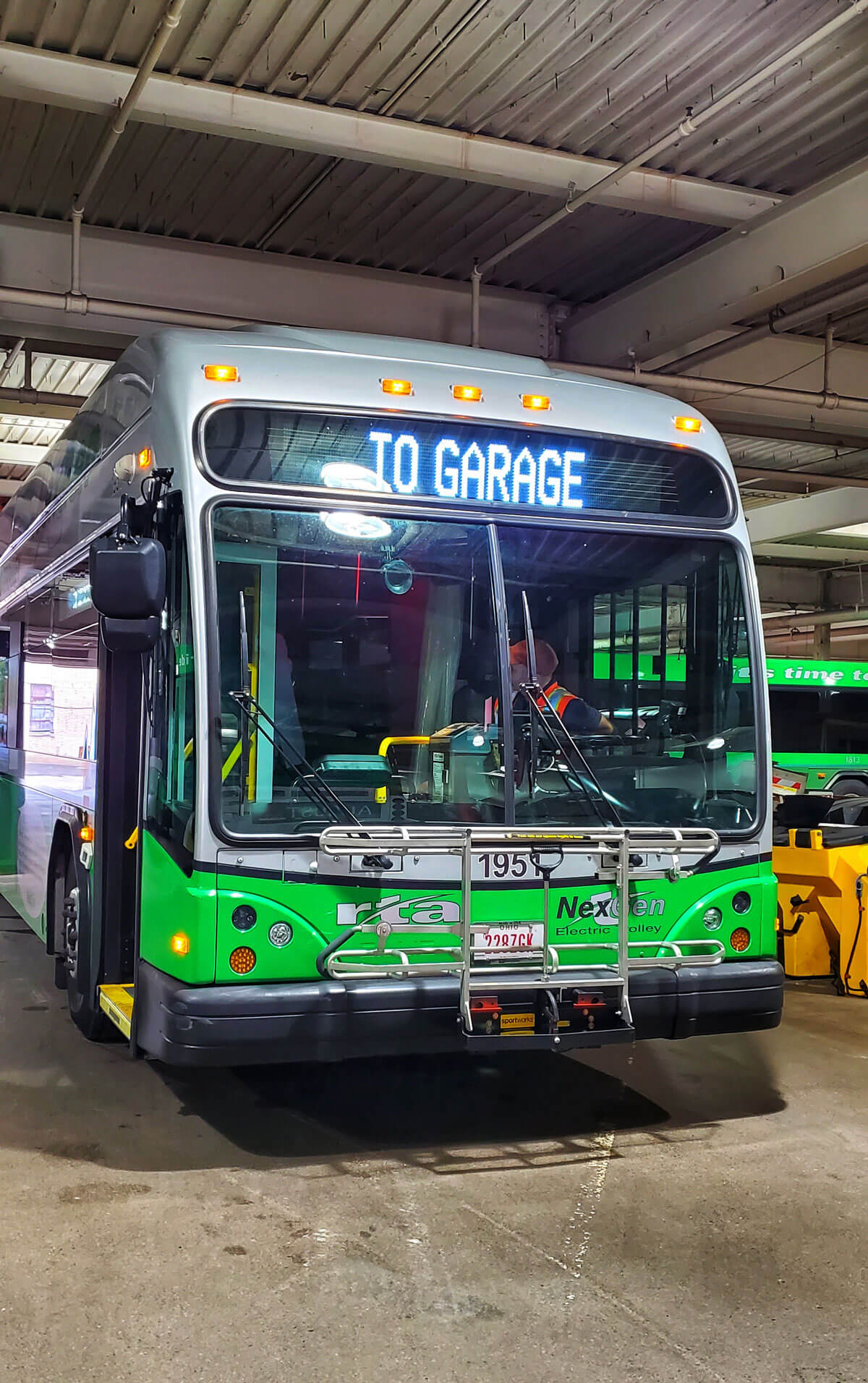
Our technicians have worked on every kind of transit vehicle on the road. Whether your fleet is uniform or a mix of new and legacy vehicles, the teams know the wiring, mounting, and integration quirks of each platform.
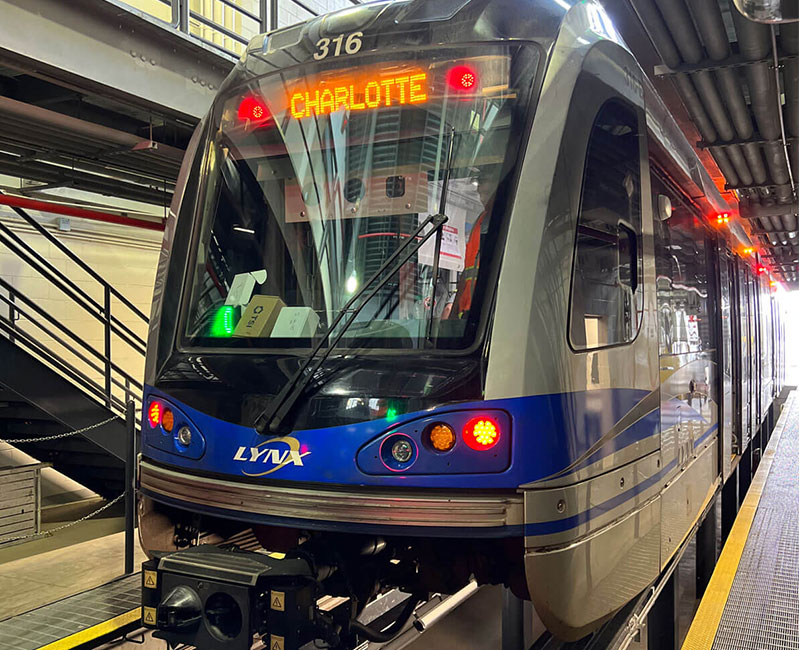
A transit installation is rarely just an install. The decisions that shape whether a system performs get made well before equipment reaches the vehicle: fleet audits that surface compatibility issues on legacy platforms, mounting and integration choices that have to work on a mixed fleet, brackets and enclosures built for the buses your agency runs.
QMI is set up to handle all of it. Our Knoxville facility builds custom mounting hardware, enclosures, and pre-configured wiring kits to the spec of each deployment. Project management coordinates the vendors, the sites, and the service windows so installs hit the schedule they were planned around. Once vehicles are back on the road, the same teams handle ongoing service — preventative maintenance, fleet audits, refresh work — without a handoff to a different group.
Sometimes the right answer isn’t a new system. If existing equipment can be reconfigured or reinstalled to perform the way it was meant to, that’s what we’ll recommend. The work is making the technology function on the vehicle, not selling more of it.
Public transit is what QMI was built on, and it remains a large part of what we do. From a single bus to an entire fleet, the discipline is the same: planning that reflects what happens on the vehicle, and execution that survives the route.