
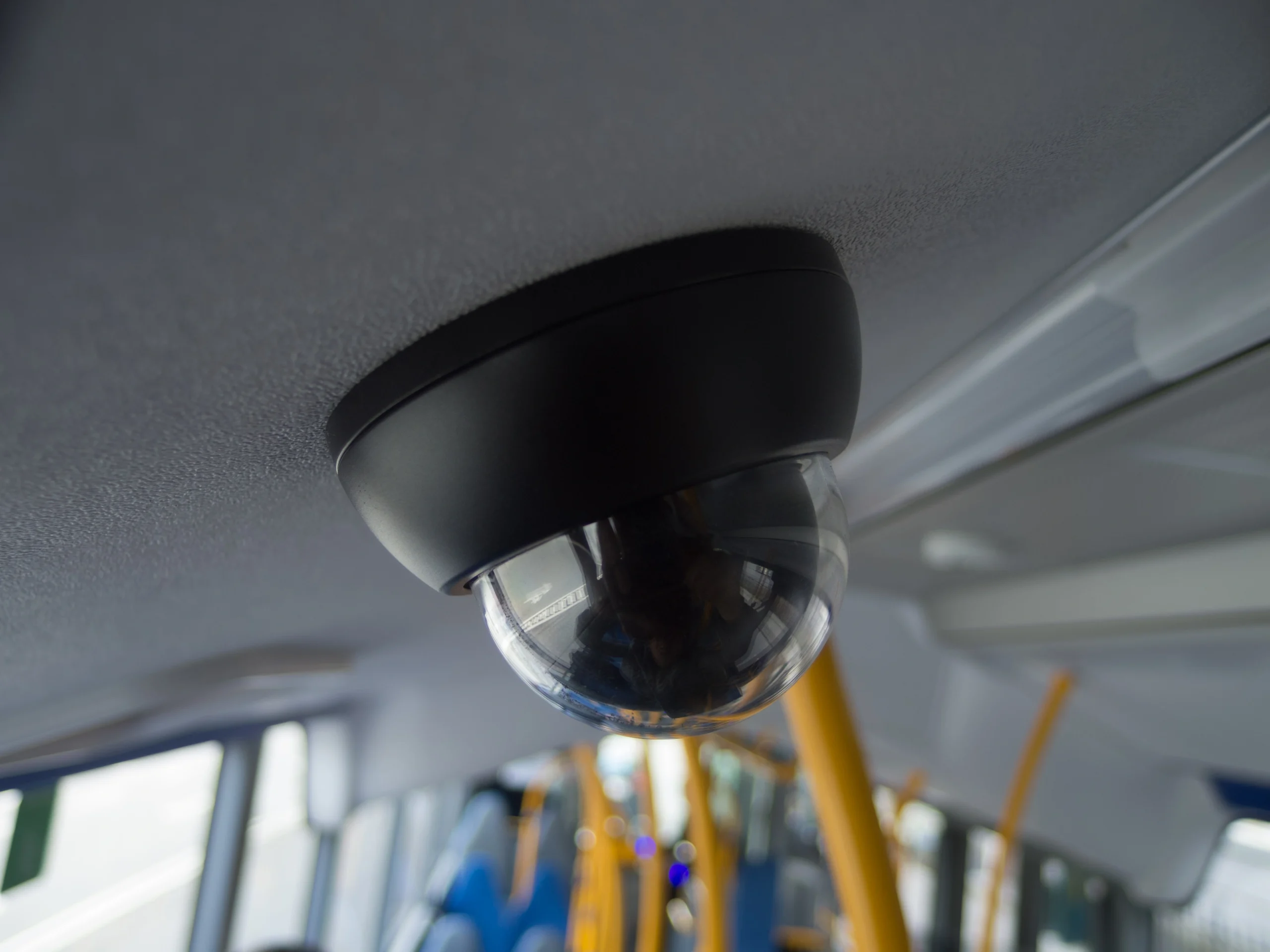
The installation industry runs heavily on temporary and rotating labor. Crews change project to project, standards vary by region, and the people who installed your system last year may have no connection to the company servicing it this year. For a fleet operator responsible for uptime, that’s a real exposure. Inconsistent installs are harder to maintain, harder to troubleshoot, and more likely to create recurring issues.
QMI operates differently. Our field teams are QMI employees with long tenure — not subcontractors assembled for a project. They’ve worked across enough vehicle types, system configurations, and operating environments that the judgment they bring to an install isn’t something that gets picked up in an onboarding packet. It comes from actually doing this work repeatedly, at scale, under real conditions.
That consistency shows up in the work. And it shows up later, when the vehicles are in service.
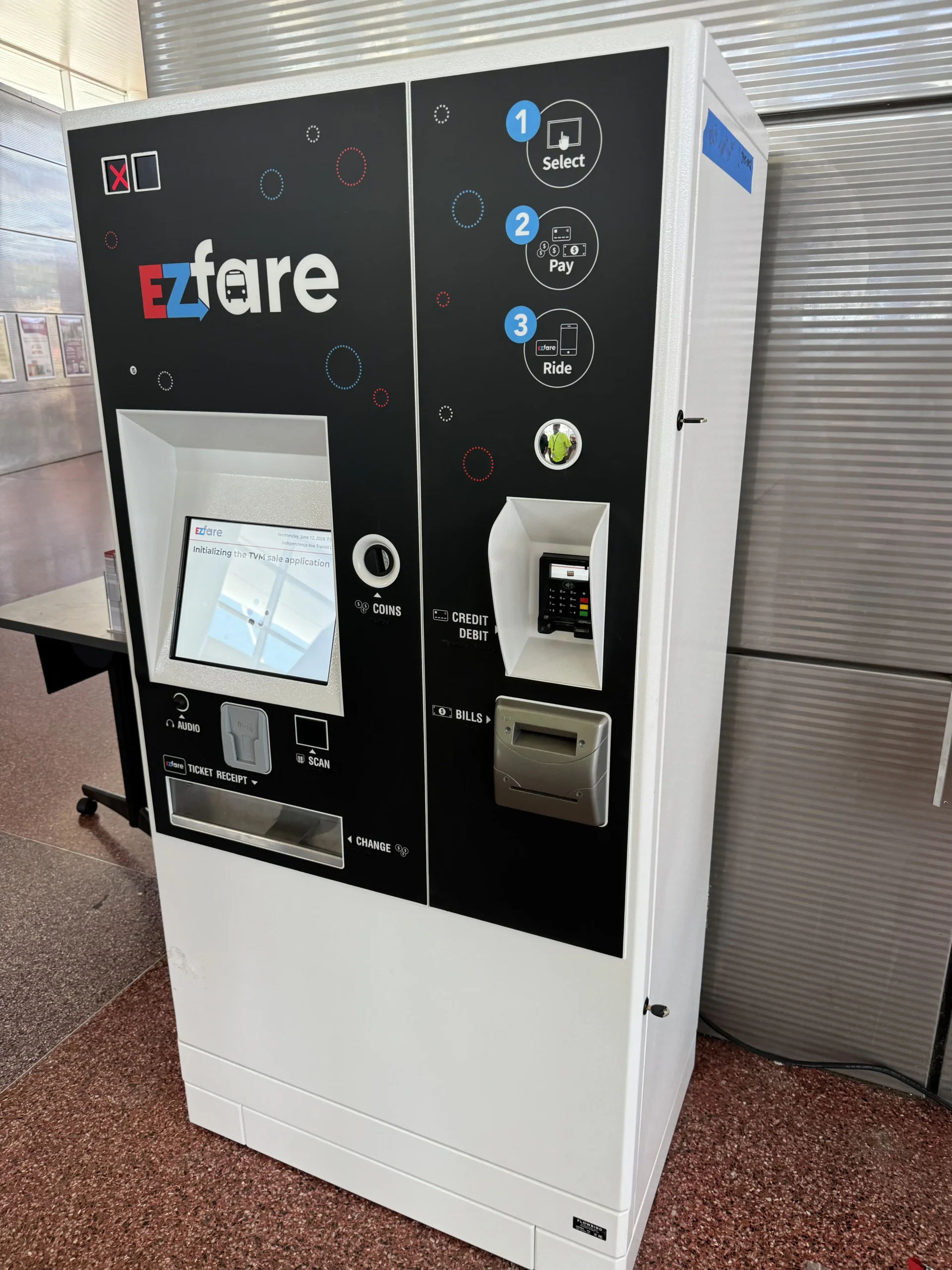
QMI installs a wide range of electronic systems on mobile transit assets — communication systems, fare collection, CAD/AVL, security, and related infrastructure. We work across bus, rail, and specialty vehicle types, and we’ve managed deployments averaging 50 to 100 vehicles per day across large regional fleets including Valley Metro and RTD.
Every install includes pre-install vehicle inspection and documentation. Vehicle condition is documented before we touch it, and it goes back into service in expected condition. That protects the agency from ambiguity if something surfaces later. It’s standard practice for us, not an add-on.
Service windows are tight and vehicle availability is limited. We plan around that, not against it.