
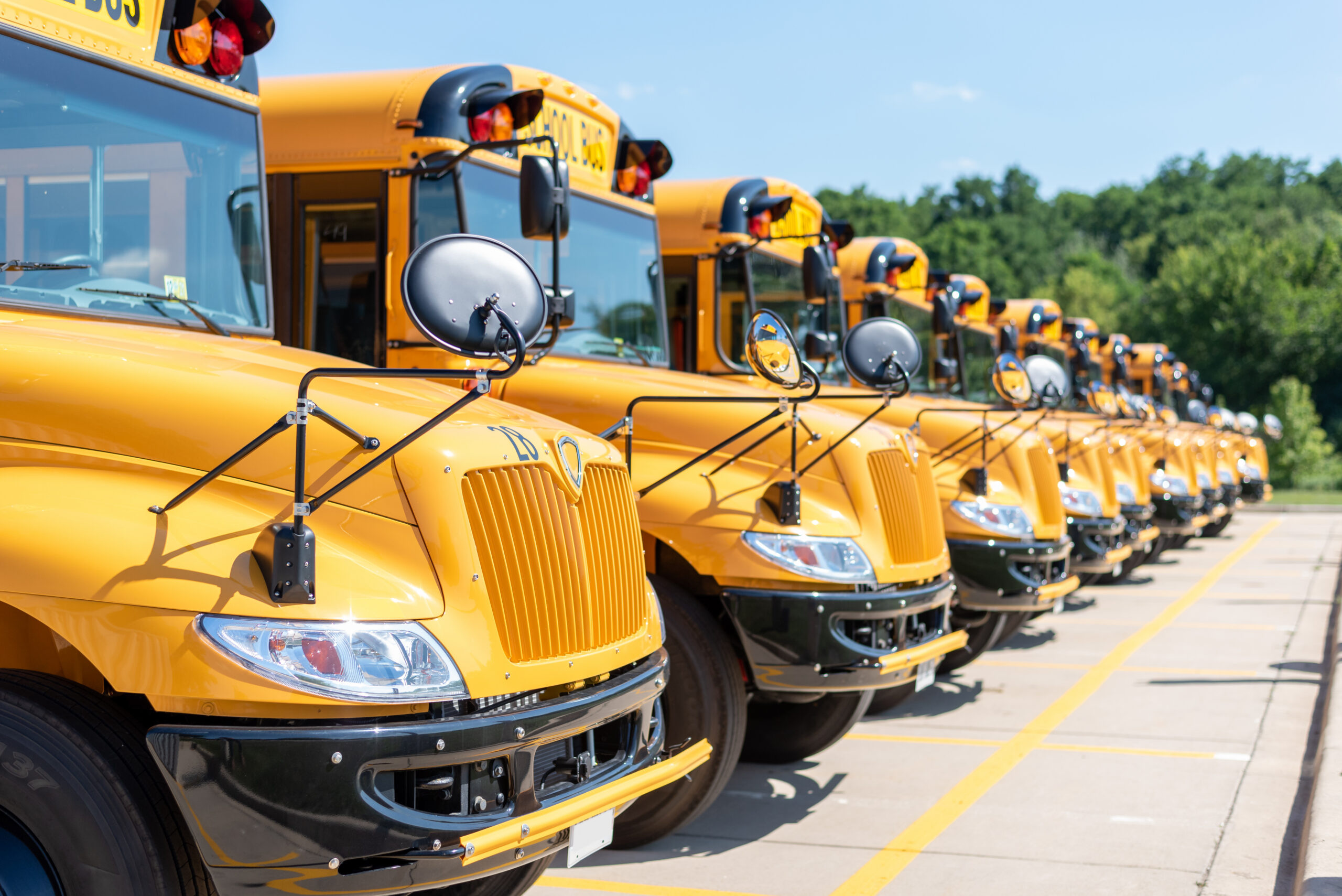
School transportation runs on a calendar that doesn’t move. Buses have to be ready when the year starts. Stop-arm cameras have to record cleanly the first time. Communication systems have to work the same on a rural route as on an urban corridor. When something fails, the people watching include districts, contractors, and parents — a customer base that scrutinizes every detail when children are involved.
QMI’s school transportation team has installed safety and operations technology across school bus fleets of every size for years. The install is the visible part. What surrounds it does the heavier work: fleet audits before deployment, bracketwork built for the specific bus platforms you run, coordination across yards and summer windows that don’t slip, and service relationships that extend past the rollout.
QMI installs the equipment that keeps school buses compliant, communicative, and accountable on every route. We work with the leading manufacturers in each category and build the install around the bus platforms in your fleet.
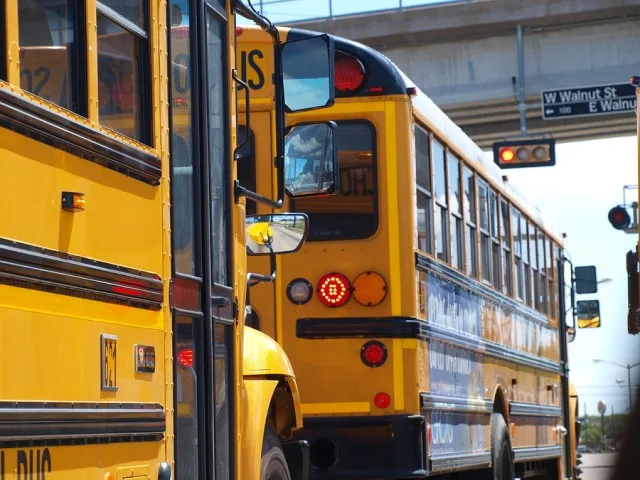
QMI has worked on fleets of every size and structure: district-owned operations, private school bus contractors operating across multiple states, and large-scale safety programs. That includes the surveillance deployment QMI ran across more than 3,200 buses in Montgomery and Suffolk Counties, NY, where we installed up to 12 cameras per bus and served as the prime contractor onsite, managing two additional installation companies through the deployment.
The pace of school transportation doesn’t allow much room for error. Custom mounting and bracket work has to fit the bus configurations in the fleet, not a generic spec. Coordination has to hold across yards and shifts. Service relationships have to extend past the install — because every stop-arm camera will eventually go offline, and the question is who picks up the phone when it does. Every install gets documented before and after, so what leaves the bay is accountable to the district, the contractor, and the parents putting their kids on the bus the next morning.
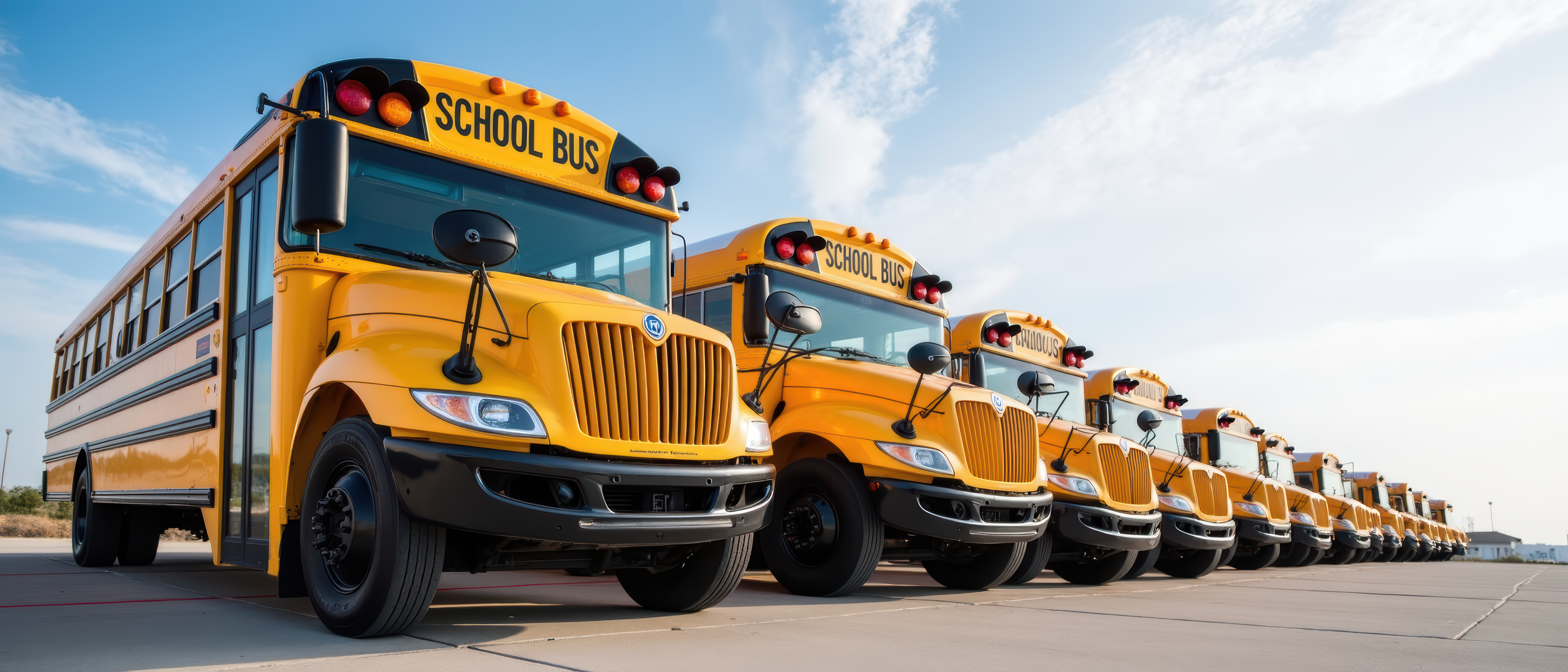
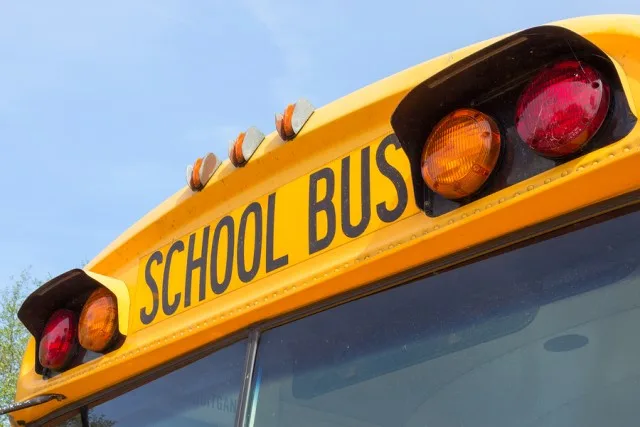
The biggest exposure for a school bus operator isn’t equipment selection. It’s whether the install performs six months later, when a stop-arm camera goes offline and someone has to fix it.
A lot of installation work in this industry runs on rotating or temporary labor. Crews change project to project. Standards drift. The team that installed your fleet last year may have no real connection to the team servicing it this year. QMI works differently. Our field teams are full-time QMI employees with long tenure, working to the same standards on every vehicle and at every location. Every install includes pre- and post-install vehicle inspection, so what happens in our bay is documented and accountable.
When children are the cargo, that consistency is what separates a fleet that runs cleanly from one that doesn’t.